Dust that's back on the shelves two days after you cleaned, winter air dry enough to shock you on every doorknob, and a basement that smells musty no matter what you spray down there all point in the same direction. At Right Now Heating & Air Conditioning, we address indoor air quality (IAQ) in Jackson, MI, and the surrounding areas by identifying the actual causes of those complaints before recommending equipment. Michigan winters keep houses sealed up for months at a stretch, which means whatever's in your air keeps circulating.
Right Now Heating & Air Conditioning is a local HVAC company serving Jackson, MI, and nearby areas with residential and commercial comfort solutions. Filtration upgrades, purification equipment, humidifiers, dehumidifiers, and ventilation improvements are installed and serviced by certified technicians with years of experience working on residential and commercial systems. Free consultations, financing on larger projects, and warranty coverage on every installation come standard.
The complaints tend to arrive in clusters. Allergies act up worse indoors than outside, someone in the house can't shake a cough through February, furniture collects dust faster than seems reasonable, static electricity makes every doorknob an event, and certain rooms carry an odor nobody can track down.
Houses hold onto a lot. Dust, pet dander, pollen tracked in on clothing, mold spores from damp areas, cooking odors, and off-gassing from furniture and cleaning products all accumulate in the air. Tighter construction makes it worse, so a home with new windows and good insulation traps that material longer than a drafty one would. A basic 1-inch filter catches large debris and lets the small stuff pass right through. With the windows shut from November to April, your system recirculates it all day long. Humidity swings compound everything, since dry winter air irritates airways while damp summer air feeds mold growth.
Sorting it out starts with matching the solution to the actual problem. Our technicians look at your existing equipment, filtration, humidity readings, and ductwork, then ask what you're noticing and when. Dust complaints might call for a filtration upgrade, while odors and biological growth point toward air purification systems installed at the air handler. Humidity issues are addressed with equipment sized to the square footage, rather than with a portable unit fighting a losing battle. Everything ties into the system you already own.
The result is air that feels noticeably different within a few weeks. Surfaces stay cleaner longer, seasonal symptoms ease up, static stops, odors fade, and your equipment runs better too, since cleaner air means less buildup on the blower and coils. Improving indoor air quality is one of the few upgrades people notice every single day.
Here's what our team installs and services to improve the air in your home or building.
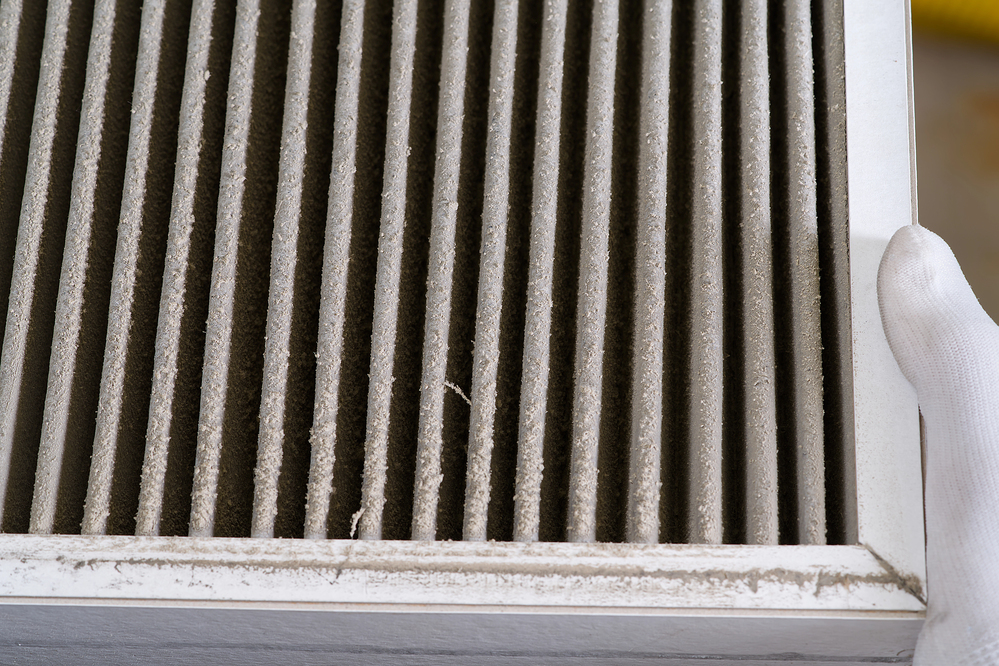
Persistent dust usually traces back to filtration, duct leakage pulling material from crawl spaces and attics, or a system that isn't circulating properly. Odors come from moisture, cooking, pets, or something growing in the equipment itself. Identifying the source first keeps you from buying equipment that doesn't address the real cause.
Balanced airflow matters as much as what you filter, since stagnant rooms accumulate contaminants regardless of the upstream equipment. Ductwork inspection, return air assessment, and fan settings all factor into how well air moves through the house. Small corrections here often improve comfort and efficiency simultaneously.
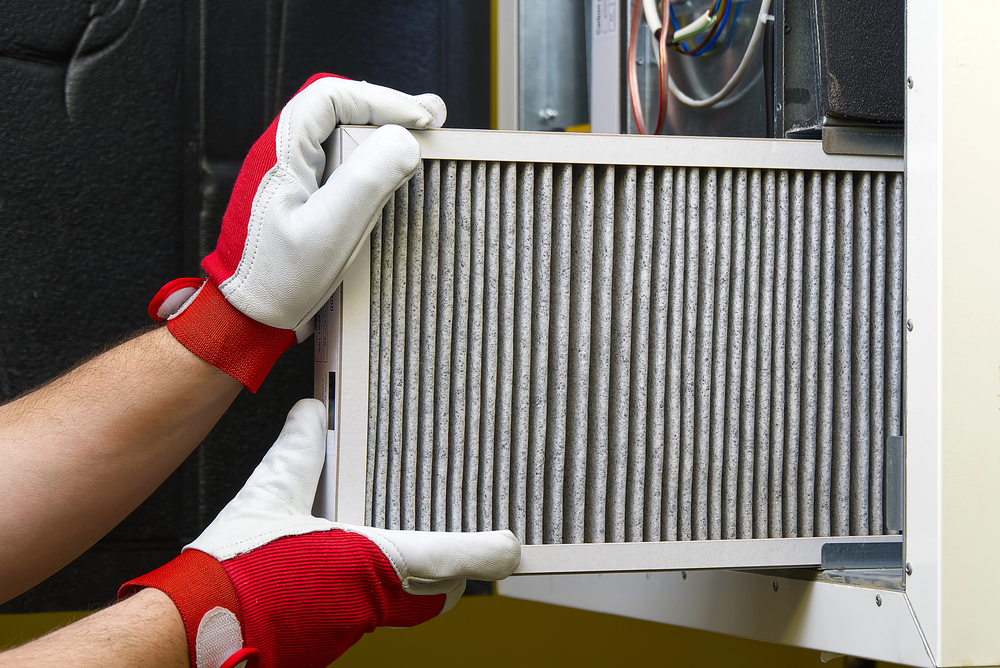
Standard 1-inch filters were designed to protect equipment rather than clean your air, which is why upgrading matters. Media filter cabinets with 4- or 5-inch depth capture far smaller particles while restricting airflow less, and they only need to be changed once or twice a year. Filter selection gets matched to your system, so nothing gets starved for air.
Equipment installed at the air handler treats everything moving through the ductwork, targeting mold, bacteria, viruses, and odors that filtration alone won't catch. UV lamps operate on the wet surfaces inside the system where biological growth begins. A whole-home purification system treats the entire house from a single installation point rather than room by room.
In Michigan, winter air often drops below 25% relative humidity, drying out skin, sinuses, and hardwood floors alike. Whole-home humidifiers connect to the ductwork and automatically add moisture based on outdoor conditions. Summer brings the opposite problem, and installing a whole-house dehumidifier keeps basements and lower levels from feeling swampy.
Portable units treat one room while the rest of the house stays untouched, and they need constant attention to keep running. Equipment integrated into your heating and cooling system automatically treats every space it serves. Layering filtration, purification, and humidity control yields the most complete results for homes dealing with multiple issues at once.
When the temperature drops and your heating system starts misbehaving, we'll dig into the problem and explain what we find in plain language. Our furnace repair service covers everything from no-heat calls and ignition trouble to airflow issues, odd smells, electrical problems, and inconsistent heating.
There comes a point when putting more money into an old furnace may not be the best move. With our furnace replacement and installation service, we'll help you compare options, choose an appropriately sized system, handle removal and setup, and verify the finished installation is operating properly.
A cooling system that runs without keeping the house comfortable can be a sign that something needs attention. We provide air conditioning repair for weak cooling, restricted airflow, electrical issues, refrigerant issues, component failures, unusual noises, and other AC problems.
If your current system is worn out or struggling through the summer, a well-chosen replacement can make a noticeable difference. Our air conditioning installation and replacement service includes equipment recommendations, system sizing, removal of old units, installation, startup, and final performance checks.
Boiler problems can show up as cold spots, noisy operation, poor circulation, or trouble maintaining steady heat. Our boiler services include repair, installation, replacement, piping work, circulator troubleshooting, control issues, and system testing for homes and businesses.
Catching wear and minor problems early can help reduce the chance of an inconvenient breakdown later. Our HVAC maintenance service includes cleaning, inspections, seasonal tune-ups, safety checks, performance reviews, and more.
When heating and cooling equipment can't keep up anymore, replacing the system may give you better comfort and fewer headaches. Our HVAC replacement and installation service covers system selection, sizing, removal, professional setup, calibration, testing, and high-efficiency equipment options.
Comfort problems in a workplace can quickly become a distraction for employees and customers alike. Our commercial HVAC services include repairs, replacements, new installations, and preventive maintenance for restaurants, offices, retail locations, and other business properties.
A busy kitchen depends on equipment that can maintain safe temperatures and move heat, smoke, and air where they need to go. We provide commercial refrigeration and kitchen ventilation services for walk-ins, freezers, coolers, and hood systems, including equipment repairs, installations, replacements, and maintenance.
Not every room needs to be connected to a large central duct system to stay comfortable. Our ductless mini-split systems are a flexible choice for garages, additions, finished basements, renovated areas, and individual zones that need their own heating and cooling control.
Using the ground as part of your heating and cooling system can be an appealing option for certain homes and properties. Our geothermal HVAC service includes system planning, equipment sizing, design guidance, installation considerations, and ongoing maintenance for year-round comfort.
Air quality equipment only helps when it's matched to the real problem, so here's how we approach it.
Backed by 20+ years and full certification, including boiler work, our technicians understand how airflow, humidity, and combustion interact inside a home.
One-year parts coverage comes standard on installations. Extended plans offer up to 10 years of coverage for parts and labor, and we'll explain which plan applies to your equipment.
Layering several air quality improvements at once becomes easier when costs can be spread over monthly payments.
A walk-through of your home, humidity readings, and quoting options cost you nothing.
Raising families in this same climate means our crew deals with the same dry winters and damp summers you do.
Filters, humidifier pads, and UV lamps all need periodic replacement, and Premier Maintenance Program members get these handled, along with priority service, waived service call fees, and 10% off repairs.
Start by controlling pollutant sources, maintaining good ventilation, managing moisture, and using appropriate filtration or air-cleaning equipment when needed. The Environmental Protection Agency (EPA) recommends these approaches as key ways to improve indoor air quality at home.
A humidifier can help when winter air becomes overly dry, while a dehumidifier can help control excess moisture during humid conditions or in damp areas such as basements. Monitor indoor humidity rather than guessing, since excessive moisture can encourage mold and other biological growth.
Persistent odors, excess dust, stuffy rooms, condensation, overly dry air, or high humidity can all indicate indoor air quality issues. Because many factors can affect indoor air quality, homeowners should consider ventilation, filtration, moisture, HVAC operation, and potential sources of pollutants together.
The EPA recommends keeping indoor relative humidity between 30% and 50% when practical. Staying within a reasonable range can help reduce excessive dryness while limiting moisture conditions that encourage mold growth.
A suitable HVAC filter can capture particles as air moves through the system, and higher-efficiency filtration can help reduce certain airborne contaminants. Filtration works best as part of a broader indoor air quality approach that also addresses pollutant sources, ventilation, moisture, and regular HVAC maintenance.
FAQs reviewed by Cody Miller, founder and owner of Right Now Heating & Air Conditioning, a certified HVAC contractor serving Jackson, MI, and beyond.
Get in touch with our crew, and we'll figure out what's behind the dust, the dryness, or the smell.
Business Name: Right Now Heating & Air Conditioning
Address: Jackson, MI 49201
Phone: 517-319-0723
Business Hours:
Mon - Sun: 24/7
Emergency Service Available
Ask us About Financing Options
Premier Maintenance Program — $199/Year
Keep your HVAC system running smoothly all year with our Premier Maintenance Program.
Membership Includes:
Service call fees waived 10% off repairs Priority service Furnace cleaning AC cleaning
Protect your system. Save on repairs. Get priority service.
We stand behind our work with dependable warranty coverage.
1-Year Parts Warranty Extended Warranties Available Up to 10-Year Parts & Labor Warranty on Installations
Ask us about available warranty options for your new HVAC installation.